
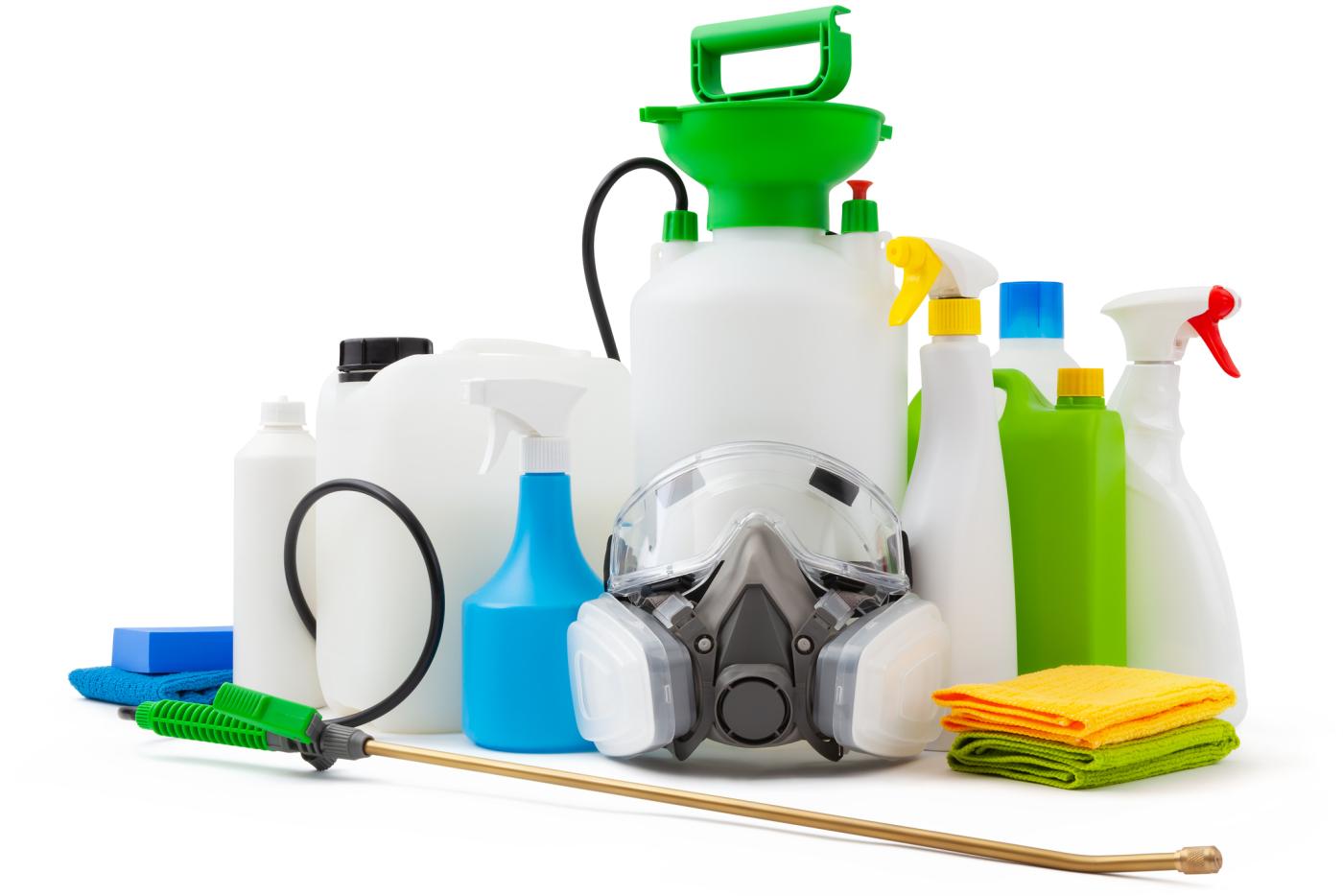
The return of spring also means a return of insects, rodents, fungi and weeds. As a result, pesticide use increases at this time of the year and can put your family at risk. Each year, poison control centers across the nation get thousands of calls from the public about concerns related to exposure to pesticides. In addition, 90 percent of all calls that these centers receive concern poisonings that occur in the home. National Poison Prevention Week, which takes place the third week of March each year, is a great time to inspect your home for improperly stored pesticides and chemicals.
The United States Environmental Protection Agency encourages all parents and caregivers to go room by room and secure household chemicals and pesticides in cabinets that are locked and out of the reach of children and pets. Here are some simple tips for storage:
- If items cannot be moved up high, install safety latches on lower cabinets to keep children and pets out.
- Place roach and rodent baits in areas where children and pets cannot touch them. If possible, place rodent bait in a tamper-resistant bait station.
- Pesticides and food items should never be stored on the same shelf as pesticides may be mistaken for food.
- Keep all substances in their original containers. Using beverage bottles or cans for storing cleaning liquids and other household mixtures is very dangerous and may be mistaken for a drink. Plus, labels on original containers give first-aid information in case of accidental poisoning.
- Treat bath and kitchen disinfectants and sanitizers (including bleach) and flea and tick shampoos, powders and dips for pets with the same precautions as other household chemicals and pesticides.
- Crawl around on your hands and knees in each room to see if you’ve missed any potential dangers from the viewpoint of a child or pet.
When it comes to eliminating pests, there are many things you can do to reduce chemical and pesticide exposure. First, identify the pest and determine if using a pesticide is necessary. Consider physical barriers or removing food sources as a primary step. If a pesticide is needed, make sure you choose the least toxic product that is specifically labeled for the type of pest you are dealing with and the right environment.
Never use outdoor pesticides indoors. Next, read the label before purchasing the product and again before you use the product so that you understand all the instructions, precautions and steps for first aid.
When using a pesticide, you should:
- Keep potentially hazardous cleaning products and pesticides properly closed while using, even if a container is briefly left unattended.
- If a product has child-resistant packaging, make sure to use it correctly by tightly sealing the container after every use.
- Have soap, water and towels near you in case of skin exposure.
- Keep the Poison Control Center number (1-800-222-1222) where it is easily accessible.
- Wear protective equipment (i.e. long-sleeved shirt, long pants, gloves, goggles, etc.) as specified on the label.
- If a pesticide needs to be mixed, do so outdoors or in a well-ventilated area and only make the amount necessary for your pest problem.
- Always use a separate set of measuring tools, such as spoons and cups, that are only dedicated to pesticides and mark them as “PESTICIDE ONLY.”
- If it is windy, do not apply pesticide to prevent drifting into areas you are not targeting.
- Do not eat, drink or smoke while handling pesticides.
- Remove any pet food and water dishes and cover aquariums before using pesticides indoors.
- Remember to wash hands thoroughly directly after handling pesticides, and launder exposed clothes separately from other clothing.
Another way to keep yourself and your family safe is to properly dispose of pesticides. Follow all disposal instructions on the pesticide label and do not reuse the empty container. Never pour pesticides down the sink, toilet, sewer or street drain, and triple rinse any pesticide containers before disposing of them. If you have a pesticide that is outdated, banned or unwanted and are unsure of how to dispose of it properly, the North Carolina Department of Agriculture and Consumer Services can help. Their Pesticide Disposal Assistance Program provides free, safe disposal for farmers and homeowners across as 100 counties in the state. The program holds 35-40 pesticide collection events every year throughout the state. For more information about events in your area, please contact your local North Carolina Extension Office.