
A young man approaches a car dealership after carefully weighing his monthly expenses. He’s got a good job and decent credit, and has budgeted for all the necessities – housing, utilities, groceries and health insurance. He’s also signed up for a premium phone plan, set aside money for a nice vacation and picked up a few streaming service subscriptions along the way.
He picks out a modest, comfortable car – somewhere between a beater and a new luxury coupe. As he leaves the dealership, he looks over his balance sheet and the other shoe drops – he hasn’t yet secured childcare for his two kids. Just like that, his carefully crafted budget is now in the red.
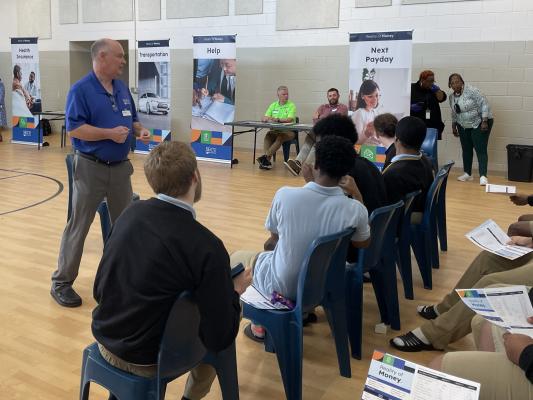
Fortunately, for now, it’s just a simulation – but these are the realities that teens in North Carolina’s Youth Development Centers (YDCs) will soon face when they return to the community. Throughout April, facilities across the state put on a series of reentry simulations designed to teach youth about budgeting, credit and making ends meet.
“This gives the kids an opportunity to see how they can best manage their money,” said Rockingham YDC Student Transition Coordinator Jennifer Cox. “They learn about real life experiences and expenses, and it really prepares them for the future.” The simulations are organized annually during Second Chance Month – a statewide observance to raise awareness of the challenges justice-involved people face when returning to the community after time in secure custody.
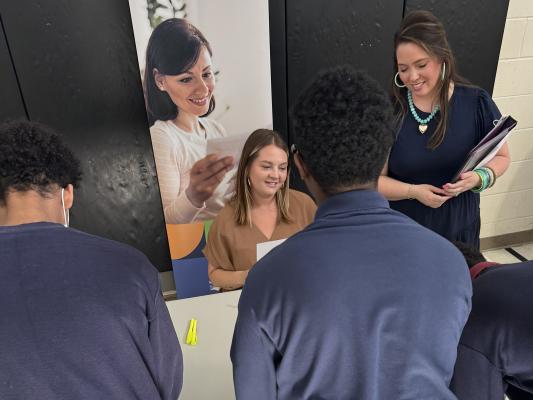
At Rockingham YDC, Chatham YDC and Lenoir YDC, educators partnered with State Employees Credit Union to bring its “Reality of Money” event to youth in their facilities. Designed for students in grades 8-12, “Reality of Money” is an interactive financial simulation that highlights the value of education and the importance of maintaining good credit – lessons that tie in directly with what students learn in the classroom.
“They’re using practical, hands-on math skills, and of course our high school students also have to take economics and personal finance as a required social studies course, so this fits right into that class,” Cox said.
“Several students reflected on the significant expenses tied to adulthood and recognized the value of continuing their education as a pathway to greater financial stability,” added Regional Student Transition Coordinator Cheryl Thompson. “Key takeaways from the event included an increased awareness of the cost of living, the financial responsibilities associated with raising children, and the challenges of living independently. Students also expressed a greater appreciation for the importance of credit, banking and sound financial habits.”
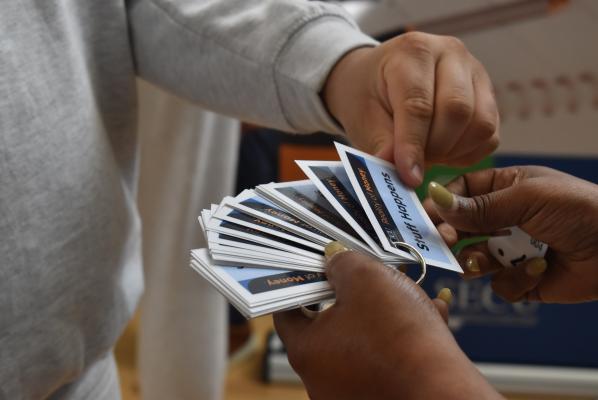
J., a student at Rockingham YDC who wants to be a carpenter when he returns home, summed up adult life succinctly, and shared his take on the event.
“It’s expensive,” J. reflected. “I came back with a better understanding, when I’m old enough to deal with that, you’ve got to budget your money in a certain way. You can’t just go in and spend it on what you want. You’ve got to understand what’s going to come behind it and if you’re going to have money left over.”