

Hurricane Helene was the storm of record in North Carolina with more than 30 inches of rain causing unprecedented damage. In all there were 39 counties, as well as the Eastern Band of Cherokee Indians, included in the federal disaster declaration. The storm caused nearly $60 billion in damage, which is 3.5 times more than Hurricane Florence. This includes over 73,000 homes damaged or destroyed and approximately 9,000 damaged road sites.
Sadly, 107 lives were lost.
It will take a lot more years and funding to fully recover, and even then, we will never replace all that was lost.
While recovery from Helene is still ongoing, here's a look at where efforts stand at the two-year anniversary mark:
- $3.1 billion in state funding, of which $855 million is for state-federal match. Currently, about $9.8 billion has been awarded or disbursed.
- The NC Disaster Case Management Program has handled over 1,600 cases, connecting survivors with resources from over 800 partner agencies and helping North Carolinians navigate their recovery journey. The program is continuing to assist another 1,100 cases currently.
- NC received $5 billion in private insurance and at least $1.4 billion in philanthropic funds and private donations.
"Our collaboration with federal and state partners has been essential in helping thousands of households and businesses recover and rebuild."
~ NCDPS Interim Secretary Casandra Hoekstra
Assistance for Families in Western NC
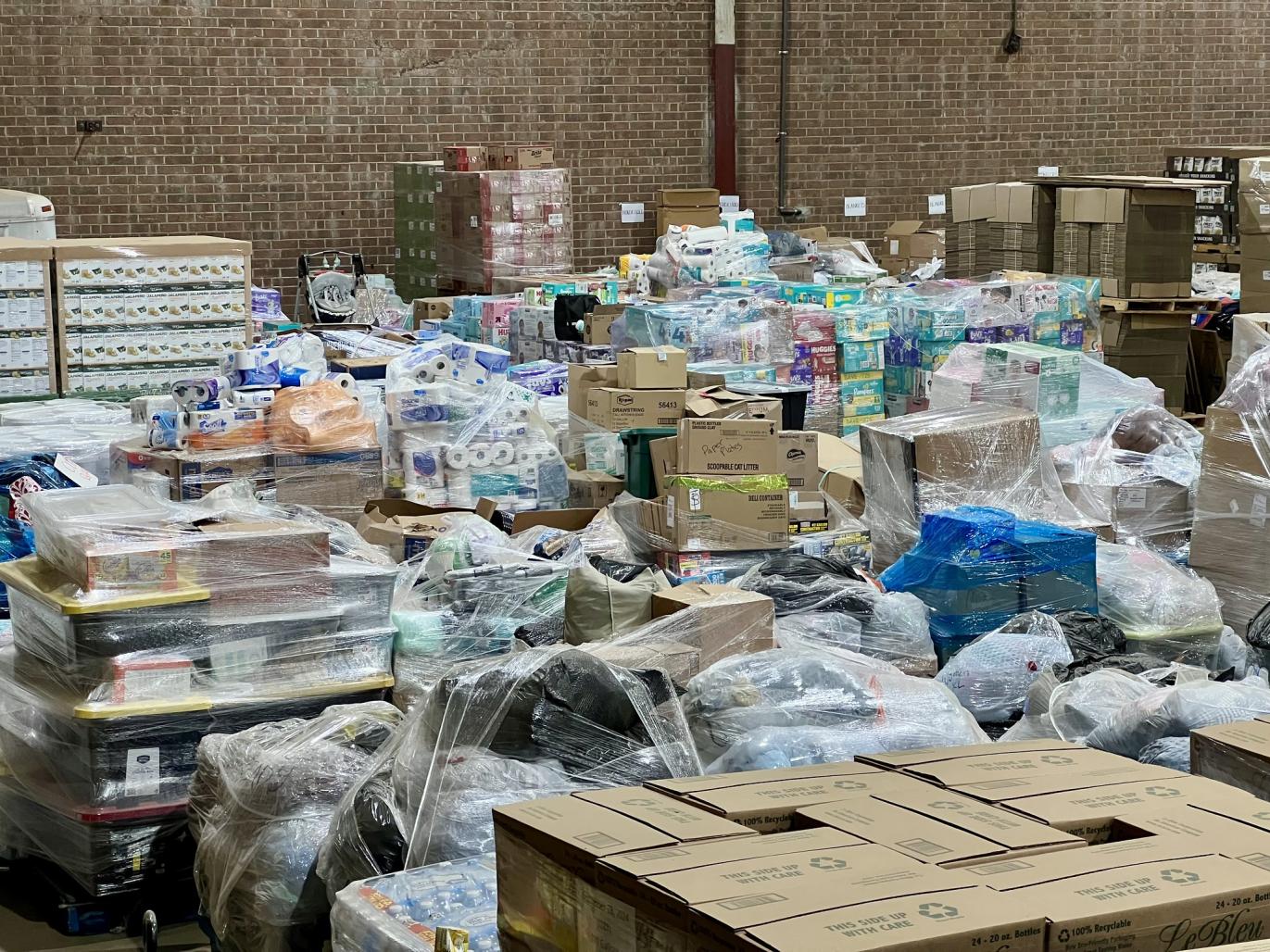
The devastation caused by Helene impacted the lives of many children and families in Western North Carolina. The help people received went beyond monetary and housing assistance. In the immediate aftermath of the storm, the state worked to connect 160,000 households with FEMA Individual Assistance, which resulted in them collectively receiving $568 million.
Additional assistance included:
- More than 169,000 behavioral mental health services through Hope4NC.
- $2.4 million in behavioral and physical health support for school children.
- More than 7,800 children received care through Child Care Centers and Family Child Care Homes Disaster Relief.
- More than 72,000 households received food assistance and 10,089 received utility assistance.
- 61,966 higher education scholarships and grants were awarded.
- K-12 school repairs in the amount of $67.6 million.
Mitigation Programs and Grant Funding
Many homes affected during Helene were built in areas where they were prone to repeated flooding. To date, 535 of 892 of homes in these areas have been approved for voluntary acquisition through the Hazard Mitigation Grant Program. These homes will be removed and the land returned to natural areas. The NCEM Hazard Mitigation Team has been working over the last two years to facilitate the fastest implementation of programs in not only state history but the country’s history, getting $2 billion in applications to FEMA. More than $200 million was allocated for projects across Western NC prior to the application period closing, with an additional $1.8 billion on the way.
Rebuilding Infrastructure
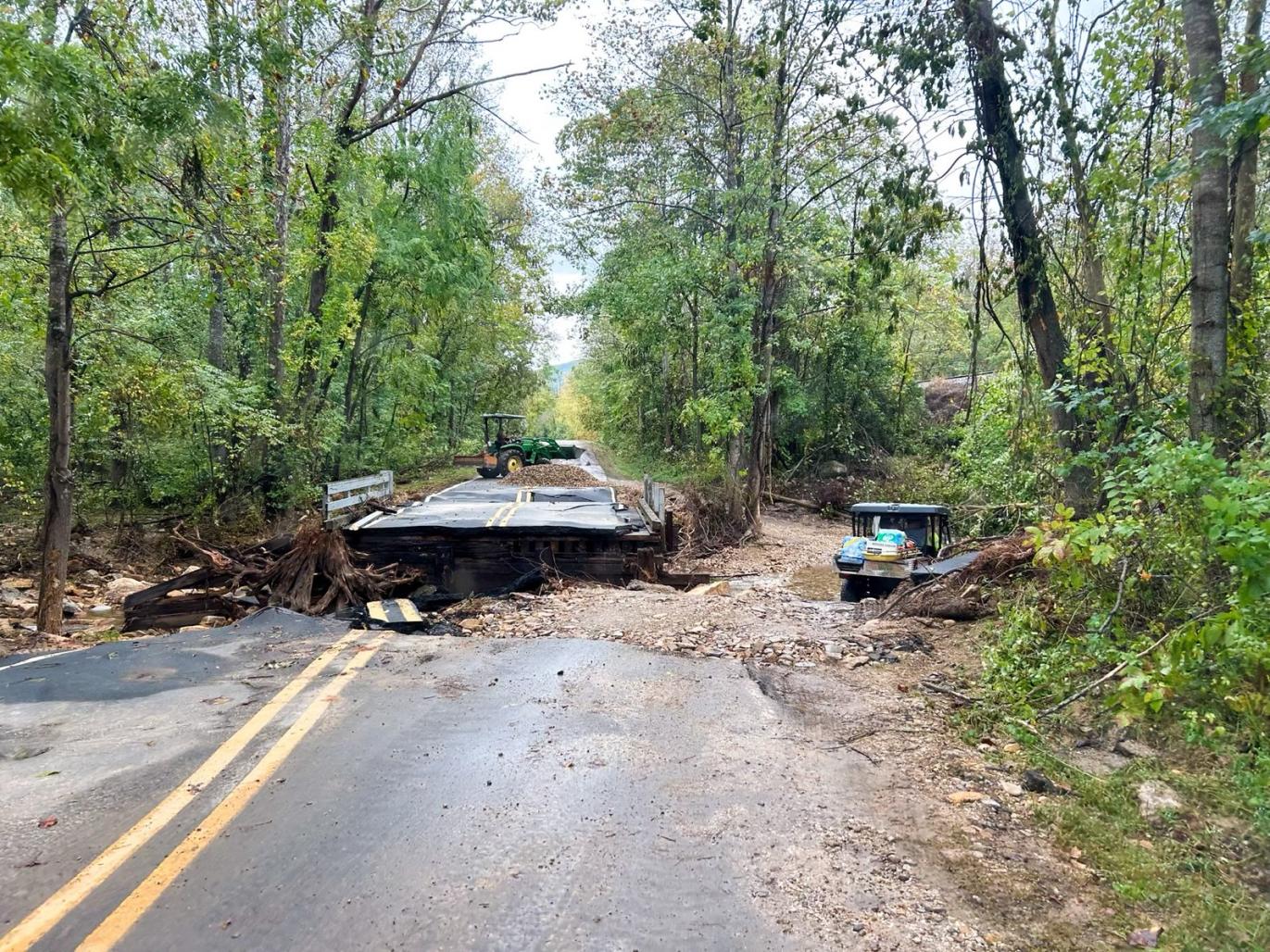
Helene also demolished the infrastructure in Western North Carolina. Roadways in residential areas to major interstates were destroyed, leaving many communities disconnected and without resources. Communities and waterways were inundated with debris, including hazardous materials. Many were left without water and many other essential needs.
Since the initial first response teams entered the affected areas, federal, state and local personnel have worked to get roadways, sewer systems, electrical grids and more safe and functional once again. To date, the following has been completed:
- Nearly 99% of state roads have been reopened.
- Crews removed more than 17.2 million cubic yards of debris.
- FEMA Public Assistance has obligated $2.48 billion to aid with more than 3,100 projects to rebuild essential services and other needs.
- The Environmental Protection Agency awarded $645 million in revolving loans for 127 water and wastewater projects.
- The state awarded $50 million in grants to 80 local governments for capital projects through the NC Office of State Budget and Management.
- 530 waterway sites were approved for rehabilitation through the Emergency Watershed Protection Program, as well as 232 Streamflow Rehabilitation Assistance Program sites.
The NC Emergency Management Private Road and Bridge program has completed, or is working on, more than 165 projects at a cost of just over $147 million. These projects have restored emergency access to 866 households. This includes but is not limited to:
- Completing 41 modular bridges, with another 7 underway and 14 others in review.
- Identifying 64 standard bridge site projects at an estimated total cost of nearly $36 million.
- Completing 107 road and pipe site repairs, with 23 underway and 74 awaiting additional review.
The Private Road and Bridge program has also been provided $25 million to reimburse property owners 50% of the cost to repair or rebuild their own bridges, serving 1,515 households. Of that, about $5 million has so far been awarded.
Post-Storm Economic Assistance
Helene greatly affected Western North Carolina's economy, leading to the following recovery measures:
- More than 2,100 small businesses receiving $55 million in forgivable loans from public private partnership funds.
- The Small Business Administration offering $427 million in disaster loans.
- More than $149 million in cash flow loans being awarded to 49 local governments in 18 counties.
- $30 million provided in state grants for small business infrastructure.
- 6,467 Western North Carolinians receiving job assistance through the WNC Strong Helene Business Recovery Fund.