

My team at the Criminal Justice Analysis Center published the first comprehensive analysis of firearm violence in North Carolina earlier this year. Our analysis shows that between January 2021 and June 2025, firearm homicides fell by 29% across the state. This decrease followed a sharp rise in violence during the first years of the COVID-19 pandemic. The decline in North Carolina matches national trends. Early data from 2026 shows that firearm violence keeps dropping.
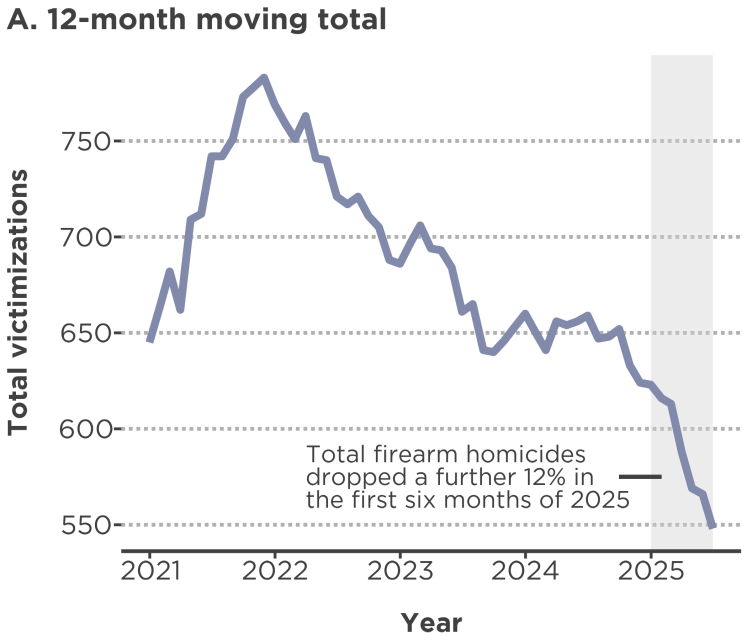
The numbers are good news. But they raise questions: What drove firearm violence up, and what’s bringing it down now?
Criminologists have studied this question for years. There is no single answer. Firearm violence comes from a mix of social, economic and personal factors. It happens most often in communities facing tough challenges. These include high unemployment, poverty and a history of redlining and lack of investment. Hard childhood experiences such as witnessing violence also shape the risk of violence. Things like lead exposure and easy access to firearms may also play a role. So, what’s driving the current decline?
First, we need to understand the factors that drove the spike in violence. One leading theory points to the COVID-19 pandemic. The pandemic stressed nearly every part of society—social life, work, health, social services and more. People became isolated or cooped up in crowded living situations. Many faced financial woes, substance use increased, mental health disorders went up, and firearm purchases surged. School schedules and youth programming were disrupted, leaving many young people without key support structures. These stresses, among others, likely fueled the spike in violence between 2019 and 2021. Then, as life returned to normal, the intense stress eased. The current decline may reflect that shift.
A second theory points to investments made during the pandemic. States and cities put more money into violence prevention, which may have helped drive the decline. Still, many communities today live with the daily toll of firearm violence. Continued investment matters so the gains we have made are not lost.
Partnering to Reduce Firearm Violence
The North Carolina Department of Public Safety partners with state and local agencies, as well as community organizations, to reduce firearm violence in our state.
- Governor's Crime Commission: Over a five-year period, the commission awarded more than $107 million in grants to North Carolina projects supporting violence prevention and victims of violence.
- Criminal Justice Analysis Center: North Carolina's statistical analysis center develops resources to help local and state leaders make data-informed decisions as they evaluate approaches to violence reduction.
- Gang Prevention and Intervention Task Force: The task force, formed by Executive Order last year, focuses on reducing the presence and impact of gang activity in North Carolina, including keeping young people out of gangs.
- North Carolina Office of Violence Prevention: The office serves as a centralized resource for organizations working to reduce violence and address its impact on North Carolina communities.
- NC S.A.F.E.: The statewide campaign raises awareness of the importance of safe firearm storage.